What Is Paid Advertising in Digital Marketing?
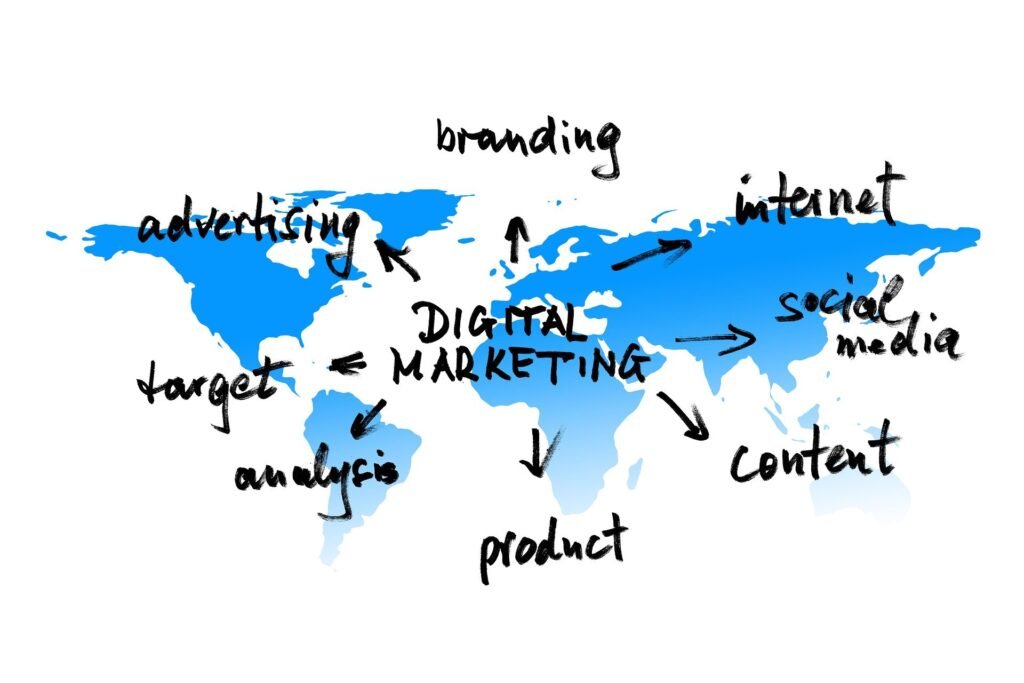
AI tools for paid advertising help digital marketers manage ads and improve campaign results. These ads may appear on search engines, websites, or social media platforms.
Paid advertising helps businesses reach specific audiences quickly. When campaigns are managed well, ads can bring targeted traffic and support marketing goals.
For beginners, paid advertising may seem complex. However, with basic understanding and the right tools, marketers can learn how to manage ads and improve results over time.
Why Paid Advertising Performance Matters
Paid advertising performance matters because it shows whether ad campaigns are delivering real value. Running ads costs money, so marketers need to understand if their ads are reaching the right audience and producing results.
According to Wikipedia, online advertising uses the internet to deliver promotional messages to consumers.
When ad performance is strong, marketers can see better returns on their budget. This means more clicks, better engagement, or more actions from users without wasting money.
For digital marketers, tracking paid advertising performance helps improve future campaigns. By learning what works and what does not, marketers can make smarter decisions and use their advertising budget more effectively.
How AI Tools Support Paid Advertising
Managing paid advertising involves many tasks, such as choosing audiences, setting budgets, and tracking performance. Doing all of this manually can be time-consuming and difficult, especially when running multiple campaigns.
Many marketers also use AI tools for conversion optimization to understand ad performance and improve results.
AI tools support paid advertising by analyzing large amounts of data quickly. They can help marketers understand which ads perform well, which audiences respond better, and where adjustments are needed.
These tools also help reduce guesswork. Instead of relying only on assumptions, marketers can use AI insights to make informed decisions and improve ad performance more efficiently.
Using AI Tools to Improve Ad Targeting and Budgeting
Ad targeting and budgeting are important parts of paid advertising. Showing ads to the wrong audience or spending too much on poor-performing ads can quickly waste money.
AI tools help improve ad targeting by analyzing user behavior and interests. They can group audiences more accurately and help marketers show ads to people who are more likely to respond.
These tools also support better budgeting. AI tools can track how ads perform and suggest where to increase or reduce spending. This helps marketers use their advertising budget more carefully and improve results over time.
Common Paid Advertising Challenges Without AI Tools
Without AI tools, managing paid advertising can be difficult and time-consuming. Marketers often struggle to understand why some ads perform well while others do not.
Another challenge is manual tracking. Reviewing performance data, adjusting bids, and monitoring budgets by hand can lead to mistakes or slow decision-making. This can reduce the effectiveness of campaigns.
Marketers may also rely too much on guesswork. Without clear insights, it becomes harder to improve targeting and control costs. These challenges can result in wasted budget and lower overall ad performance.
Things to Keep in Mind When Using AI for Paid Advertising
AI tools can be very helpful for managing paid advertising, but marketers should use them carefully. AI tools provide recommendations based on data, but they may not always fully understand business goals or brand values.
Marketers should always review AI suggestions before applying them to campaigns. Budget changes, targeting options, and ad variations should be checked to ensure they make sense for the audience and objectives.
It is also important to avoid relying completely on automation. Paid advertising works best when AI tools support decision-making, while humans remain responsible for strategy and oversight. This balance helps maintain control, transparency, and effective campaign performance.
Final Thoughts
Paid advertising is an important part of digital marketing, especially when businesses want quick visibility and targeted results. Strong ad performance helps marketers make better use of their budget and reach the right audience.
AI tools support paid advertising by analyzing performance data, improving targeting, and helping manage budgets more efficiently. These tools reduce guesswork and make it easier to adjust campaigns based on real insights.
However, successful paid advertising still depends on human judgment. Marketers should review results carefully, set clear goals, and ensure ads remain relevant and honest. When AI tools are used as support rather than a replacement, they help digital marketers improve paid advertising performance in a balanced and effective way.